Ankola Phal (Alangium Salvifolium) – The Traditional Detoxifier
Product Overview: Ankola Phal
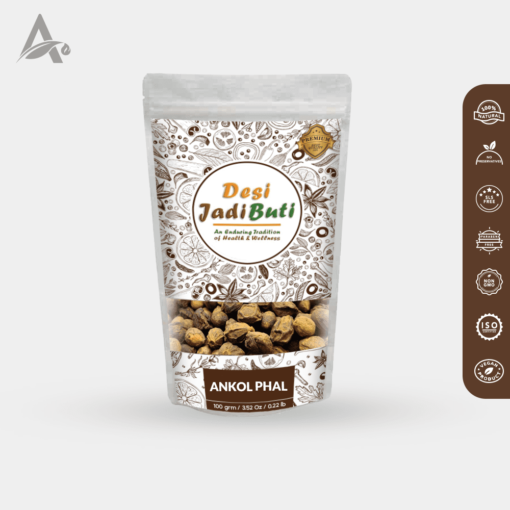
Ankola Phal, derived from the tree Alangium salvifolium, is a highly revered yet potent herb in classical Ayurveda. Mentioned extensively in texts like Sushruta Samhita, the fruit (Phal) and root bark are traditionally utilized for their powerful action, particularly its classification as Vishaghna (anti – poison) and Kusthaghna (anti – skin disease). This of pure Ankola Phal powder offers a traditional remedy primarily sought for deep internal cleansing and addressing chronic dermal ailments.
Known for its strong emetic (Vamaka) properties, Ankola is often prescribed by Ayurvedic practitioners for specific Panchakarma detoxification procedures to expel accumulated toxins (Ama) from the upper gastrointestinal tract. However, due to its potency, internal consumption must always be undertaken strictly under the guidance of a qualified Ayurvedic doctor. Desi Jadi Buti ensures this raw material is sustainably sourced and processed to retain its maximal therapeutic efficacy, honoring the wisdom of ancient Indian pharmacopoeia.
Classical Ayurvedic Health Benefits of Ankola Phal
As per classical texts, Ankola (Tāntu) balances Kapha and Vata doshas and possesses actions such as Vamana, Virechana, and Vishaghna.
- Kusthaghna Action: Highly effective in managing various chronic skin disorders (Kustha) when used internally and externally.
- Vishaghna Properties: Traditionally used as an antidote for various poisons, including snake and scorpion stings (requires expert immediate application).
- Krimighna Effect: Helps in eliminating intestinal worms and parasites (Krimi Roga).
- Deep Detoxification (Vamana): Used in controlled Panchakarma procedures for therapeutic emesis to cleanse the stomach and chest region.
- Jwara Nashana: Beneficial in managing certain types of fever (Jwara).
- Dental Health: The root bark or seed oil is sometimes used to manage dental ailments (Danta Roga).
- Anti – inflammatory Support: Helps reduce inflammation associated with Vata imbalances.
- Laxative Effect: The fruit pulp, in specific preparations, acts as a mild purgative (Virechana).
- Analgesic Use: Traditional external application of the paste helps relieve localized pain (Shoola).
- Rheumatic Pain Relief: Ankola oil is recommended externally for Vata – related joint and muscle pains.
- Anti – Pruritic: Helps in relieving intense itching associated with skin conditions.
Traditional Ways to Use Ankola Phal
Ankola Phal should never be consumed internally without expert Ayurvedic consultation due to its strong pharmacological actions.
- External Paste (Kusthaghna): Mix Ankola powder with water or buttermilk to form a thick paste. Apply externally to affected skin patches (Kushtha).
- Ankola Oil Preparation: The fruit or seed oil is prepared by classical methods (Taila Paka Vidhi) and used for massage in Vata disorders and skin issues.
- Vamana Karma: A specific decoction or powder is administered under strict medical supervision for therapeutic emesis in Panchakarma.
- Decoction (Kashaya): A mild decoction of the root bark may be prepared for internal cleansing (dosage strictly monitored).
- Anti – Poison Application: A paste of the root bark is quickly applied externally to the bite site in cases of venomous bites, alongside immediate systemic administration prescribed by a physician.
- Dental Rub: The finely ground root powder mixed with honey is sometimes used as a gum rub for specific dental infections.
- Poultice for Swellings: Warm poultices made from the paste are applied to reduce localized swellings and pain.
Classical Ayurvedic Recipes and Preparations
1. Ankola Taila (Ankola Medicated Oil)
Ankola Taila is a classical preparation used primarily for skin diseases and Vata – related musculoskeletal pains. The process involves boiling the paste (Kalka) of Ankola root bark or fruit, along with the decoction (Kashaya) of the same herb, in a base oil like Sesame oil (Tila Taila) until the moisture evaporates and only the medicated oil remains. This oil is highly effective for external application.
2. Vamana Yoga (Emetic Preparation)
For therapeutic emesis (Vamana), the powder of Ankola Phal is often processed or administered with specific vehicles (like honey or milk) as prescribed by a Panchakarma specialist. Due to the high potency of the alkaloids present, this is a controlled medical procedure aimed at eradicating deep – seated Kapha toxins.
3. Ankola Lepa for Skin
For treating chronic skin ailments (Kustha), a simple yet potent external application (Lepa) is prepared. Ankola fruit powder is mixed with the water used to wash rice (Tandulodaka) or sour buttermilk (Takra). This paste is applied thickly over the affected areas overnight to promote cleansing and healing.
4. Ankola Root Bark Decoction for Krimi
In cases of internal parasites (Krimi Roga), a decoction of the Ankola root bark is prepared according to traditional ratios (e.g., 1 part bark to 16 parts water, reduced to 1/4th). This is administered under supervision to utilize its anthelmintic properties.
Cautions and Contraindications
Ankola Phal is an extremely potent herb and must be used with utmost caution.
- Strict Medical Supervision: Internal use, especially for Vamana, MUST only be initiated and monitored by a qualified Ayurvedic practitioner.
- Pregnancy and Lactation: Strictly contraindicated during pregnancy and breastfeeding due to potential toxicity and emetic effects.
- Children and Elderly: Generally avoided in infants, children, and frail or highly debilitated elderly patients.
- Dosage Control: Even small unsupervised doses can cause severe vomiting, diarrhea, and abdominal distress.
- Pre – existing Conditions: Contraindicated in individuals suffering from severe cardiac issues, hypertension, or peptic ulcers.
- Overdose Symptoms: Symptoms of overdose include excessive salivation, dizziness, severe vomiting, and dehydration. Seek immediate medical help if these occur.
Botanical Information
- Latin Name: Alangium salvifolium (L.f.) Wang.
- Indian Vernacular Names: Ankola, Akol, Ankol Phal, Tāntu (Sanskrit), Ankul.
- Family: Alangiaceae (sometimes classified under Cornaceae).
Safe Handling and Storage
- Store Ankola Phal powder in an airtight, dry container.
- Keep away from direct sunlight and excessive humidity to prevent degradation of its active compounds.
- Ensure the product is stored safely, inaccessible to children, due to its potent nature.
- Best used within 12 – 18 months of purchase.
Why Choose Desi Jadi Buti Ankola Phal?
At Desi Jadi Buti, we are committed to providing Ayurvedic ingredients that meet the highest standards of purity and tradition. Our Ankola Phal is:
- Authentically Sourced: Collected from regions where Alangium salvifolium grows naturally, ensuring optimal potency.
- Minimal Processing: Ground raw material to preserve the inherent natural alkaloids and therapeutic efficacy.
- Tested for Purity: Free from additives, fillers, binders, or artificial preservatives.
- Traditional Integrity: We honor classical Ayurvedic sourcing and processing methods, delivering true Jadi Buti power to your home.
Disclaimer
This product is sold as a raw botanical ingredient (Jadi Buti). The information provided here is for educational purposes only and is based on traditional Ayurvedic texts. It is not intended to diagnose, treat, cure, or prevent any disease. Always consult with a qualified healthcare professional or Ayurvedic practitioner before starting any new herbal remedy, especially potent herbs like Ankola Phal.

Reviews
There are no reviews yet.